
The Importance of Dental Care and Health Disparities
At Simply the Basics, we believe in amplifying voices that are doing the work and learning alongside us. Leia Peralta is a pre-dental student currently interning with our team, and we asked her to share what she's been exploring at the intersection of dental health and hygiene access. Below is in her own words, what she's been learning about dental health, the barriers that make oral care inaccessible for so many, and why hygiene access is at the root of it all.
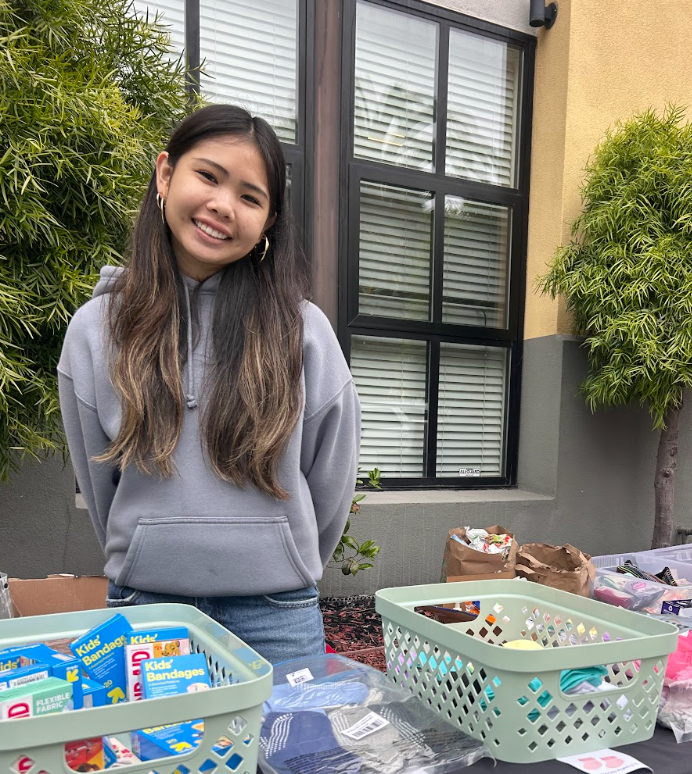
Leia Peralta, supporting distribution during a Simply the Basics Hygiene Market
Dental hygiene and care is crucial for health, yet there are barriers and fears related to seeking care that make it difficult to maintain. One barrier leading to negative oral health outcomes is access to care. In the U.S., there is an uneven distribution of dental clinics and significant shortages of dental services. This is common in areas with low population density and high rates of uninsured residents1. Another barrier is the fear and stigma associated with visiting a dentist. Along with dental anxiety, the cost of these services further discourages individuals from seeking care2. It is common for those who do not have access to care to have constant toothache and resort to avoiding the dentist and/or prefer self-treatment. Although preventive care can catch problems early, many are unable to seek treatment in a timely manner. The more it is avoided, the more the dental disease or caries worsens and results in emergency procedures or tooth loss. Finally, another barrier that promotes oral health disparities is oral hygiene insecurity. Dental hygiene is a necessity, yet millions of Americans don’t have access to running water. Therefore, many barriers exist that make oral health difficult to maintain.
Preventive dentistry is the most effective for oral health. However, wisdom teeth removal, braces, and yearly checkups all seem overwhelming when they are often necessary. These services are definitely not cheap, which discourages many from even making an appointment. I saw this discouragement within my own family. I would see my mother worried about having to afford three braces treatments for my two siblings and me. I am grateful for my mother for knowing the importance in preventive care and made it possible so we could all have straight teeth. Therefore, creating better access to preventive care directly affects oral health outcomes. Preventive dentistry includes oral hygiene practices and professional services (exams, x-rays, etc.) to maintain lifelong oral health. It significantly reduces the amount of emergency procedures, pain, and finances in the long run3.
Although public policy and change in systems are needed to alleviate barriers to dental care, there are some resources that can be utilized:
If oral hygiene products are needed, looking for hygiene banks or distribution sites in your area can help supply basic necessities. You can use Simply the Basic’s Hygiene Locator tool to help with the search.
Some places to look for affordable dental care are going to a Federally Qualified Health Center (FQHC). These health centers offers all type of care, including dental services using a sliding fee scale depending on income, and even for the uninsured. You can find these sites using the HRSA’s lookup tool based on your area. Another option for dental treatment is to go to dental schools near your area. These schools often run training clinics supervised by dentists and can often provide care for almost half the cost of normal treatment. There are also local clinics and oral health programs that vary based on the area.
Government programs in the U.S. include Medicaid and the Children’s Health Insurance Program (CHIP). This insurance is often free or low-cost which can provide many dental services needed to prevent oral disease and promote health. You can apply through your states program or through the website directly.
Dental hygiene is so important for everyday life and even linked to other diseases like heart disease, diabetes, stroke, respiratory infections, etc4. Preventive care like hygiene and checkups, can prevent long-term pain and emergency procedures. But there are many barriers that prevent access to oral healthcare, like uneven distribution of dental clinics, fear, finances, and hygiene insecurity. There must be a change in the government levels to alleviate this problem, but there are resources available for everyone.
References:
1. Machado, K. P. (2025, January 25). Tackling Dental Care Disparities Across the US. Dimensions of Dental Hygiene. https://dimensionsofdentalhygiene.com/tackling-dental-care-disparities-across-the-us/
2. Vaishampayan P, Beniwal JS, Wilk P, McLean S, Jessani A. Unmet oral health needs and barriers to dental services among socially marginalized youth: a scoping review. Front Oral Health. 2025 Mar 12;6:1521753. doi: 10.3389/froh.2025.1521753. PMID: 40144220; PMCID: PMC11937129.
3. Veenstra Dental. (2025, September 15). Why Preventive Dental Care Saves You Time, Money, and Dental Emergencies - veenstradental.com. Veenstradental.com. https://www.veenstradental.com/blog/why-preventive-dental-care-saves-you-time-money-and-dental-emergencies
4. World Health Organization. (2025, March 17). Oral Health. World Health Organization. https://www.who.int/news-room/fact-sheets/detail/oral-health