
Sunscreen Is an Essential Need
Often when you think about hygiene essentials, things like soap, toothpaste, and deodorant come to mind. However, sun protection is an often overlooked need for those facing hygiene insecurity and yet one of the most crucial items for those in need. Access to sunscreen is especially difficult for people experiencing homelessness and don’t have as many chances to escape prolonged sun exposure. Hygiene is about protecting your health, and sunscreen is an essential part of that.
When your skin is exposed to UV radiation, you are likely to burn, or over time develop more serious health issues, including skin cancer. Sunburns can range from mildly painful, to severe third degree burns that damage nerves and blood vessels of the skin. Burns can occur anytime UV rays are present, including during overcast weather, where up to 80% of UV rays pass through clouds. You don’t even have to get a sunburn for UV exposure to cause damage. Over time with prolonged exposure to UV rays without protection, cumulative skin damage can occur including long-term skin disorders, premature aging, and increased risk of skin cancer.
Broad spectrum sunscreen protects against both UVA rays, which cause sunburn and skin cancer, and UVB rays, which cause premature aging. Doctors recommend wearing sunscreen everyday if possible, or at the very least while outside when it’s sunny.
Sunscreen is most important for people who spend a lot of time outdoors, like people experiencing homelessness or housing insecurity that may not have access to shade or sun protection. For someone facing hygiene insecurity, protecting their skin from the sun can become another daily challenge that makes life more difficult.
In addition, many of the people we serve are working outdoors for prolonged periods of time.
According to one study conducted at the Venice Family Clinic, 25% of all dermatological diagnoses among unhoused patients were malignant, compared to just 6.1% for housed patients. The health risks UV damage presents can have lifelong consequences, potentially even putting their life and well-being at risk.
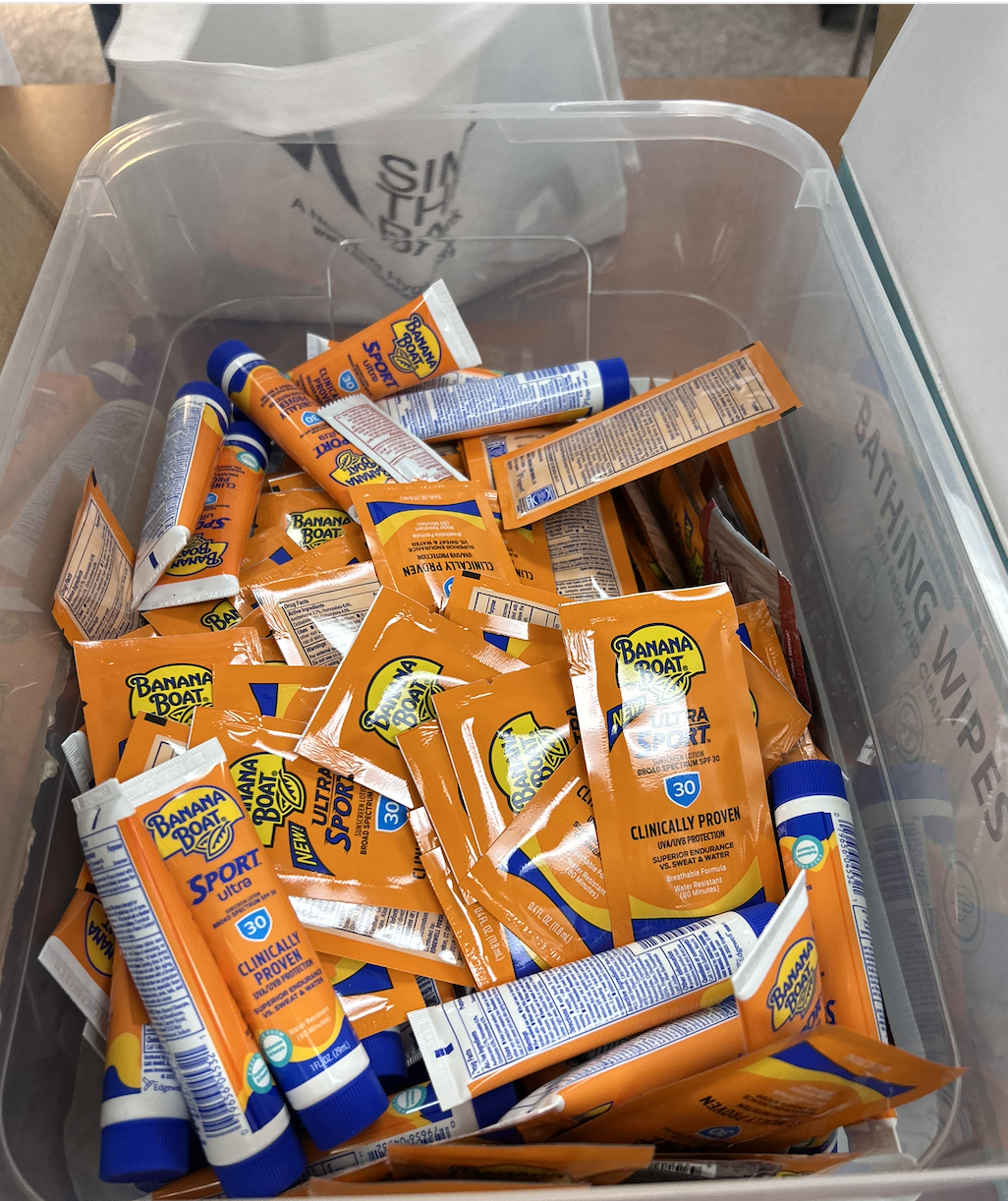
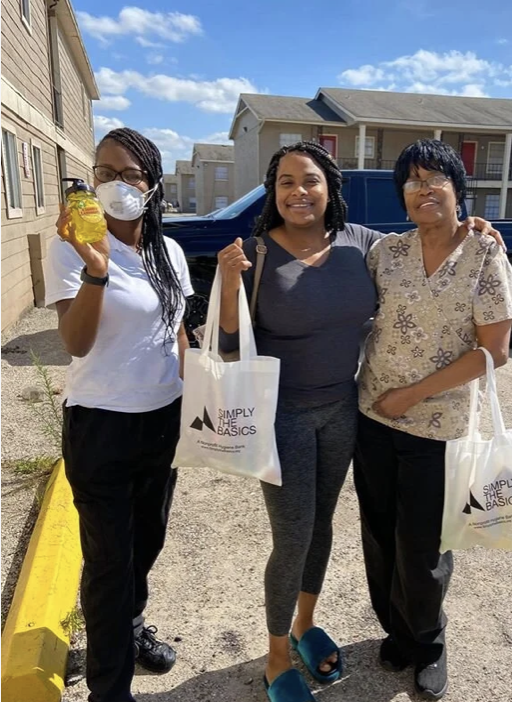
At Simply the Basics, we focus on including sunscreen in hygiene kits and offering travel sized products that are easy to carry around. We want to emphasize educating clients on the importance of sunscreen and that it comes along with other forms of hygiene. Providing the product in travel sizes along with the knowledge on using it makes a huge difference in health protection and in clients knowing they are valued and cared for.
So how can you help make sunscreen more available?
To support our fight against health insecurity and addressing the lack of access to hygiene, think about donating to our cause at https://www.simplythebasics.org/donate.
Citations
Centers for Disease Control and Prevention. (2026). Ultraviolet radiation. https://www.cdc.gov/radiation-health/features/uv-radiation.html\
Cleveland Clinic. (2025). Sunburn. https://my.clevelandclinic.org/health/diseases/21858-sunburn
Environmental Protection Agency. (2026). Health Effects of UV Radiation. EPA. https://www.epa.gov/sunsafety/health-effects-uv-radiation
Franciscan Health Alliance. (2026). Sunscreen SPF ratings, types explained. https://www.franciscanhealth.org/community/blog/spf-and-your-next-sunscreen/
Grossberg, A. L., Carranza, D., Lamp, K., Chiu, M. W., Lee, C., & Craft, N. (2012). Dermatologic care in the homeless and underserved populations: observations from the Venice Family Clinic. Cutis, 89(1), 25–32.